
BLOG
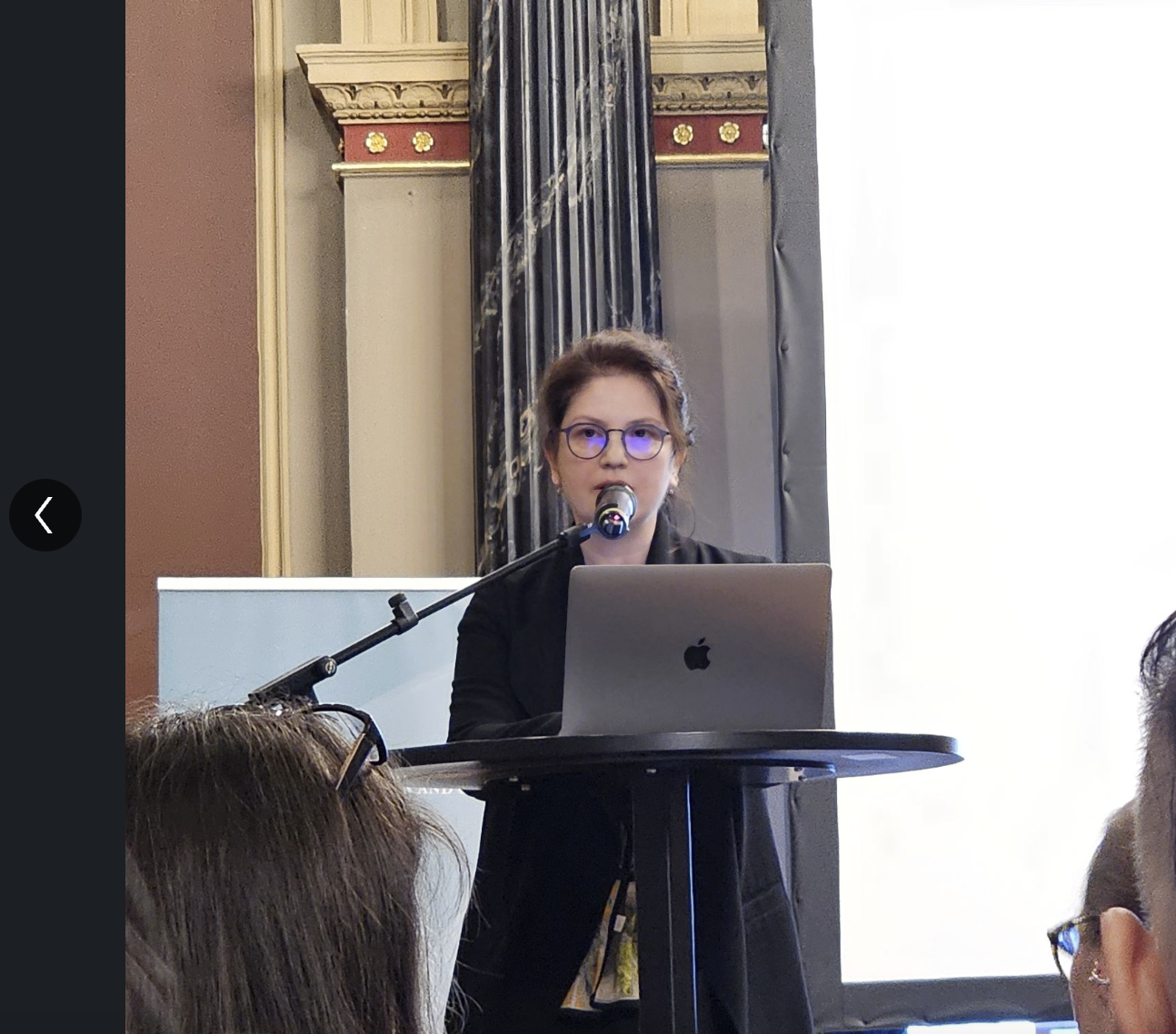
Diversity is not a peripheral asset; it is the core operating system. It is not a decorative layer on top of arts and culture; it is the vital, evolving ecosystem itself. It is, quite simply, the architecture of the society we live in. Diversity is about ensuring that everyone, regardless of who they are or where they come from, has the unquestionable right to participate, belong, and shape the future. Without this, our democracy is dangerously undermined, our culture is narrow, and our social fabric is tragically weakened.
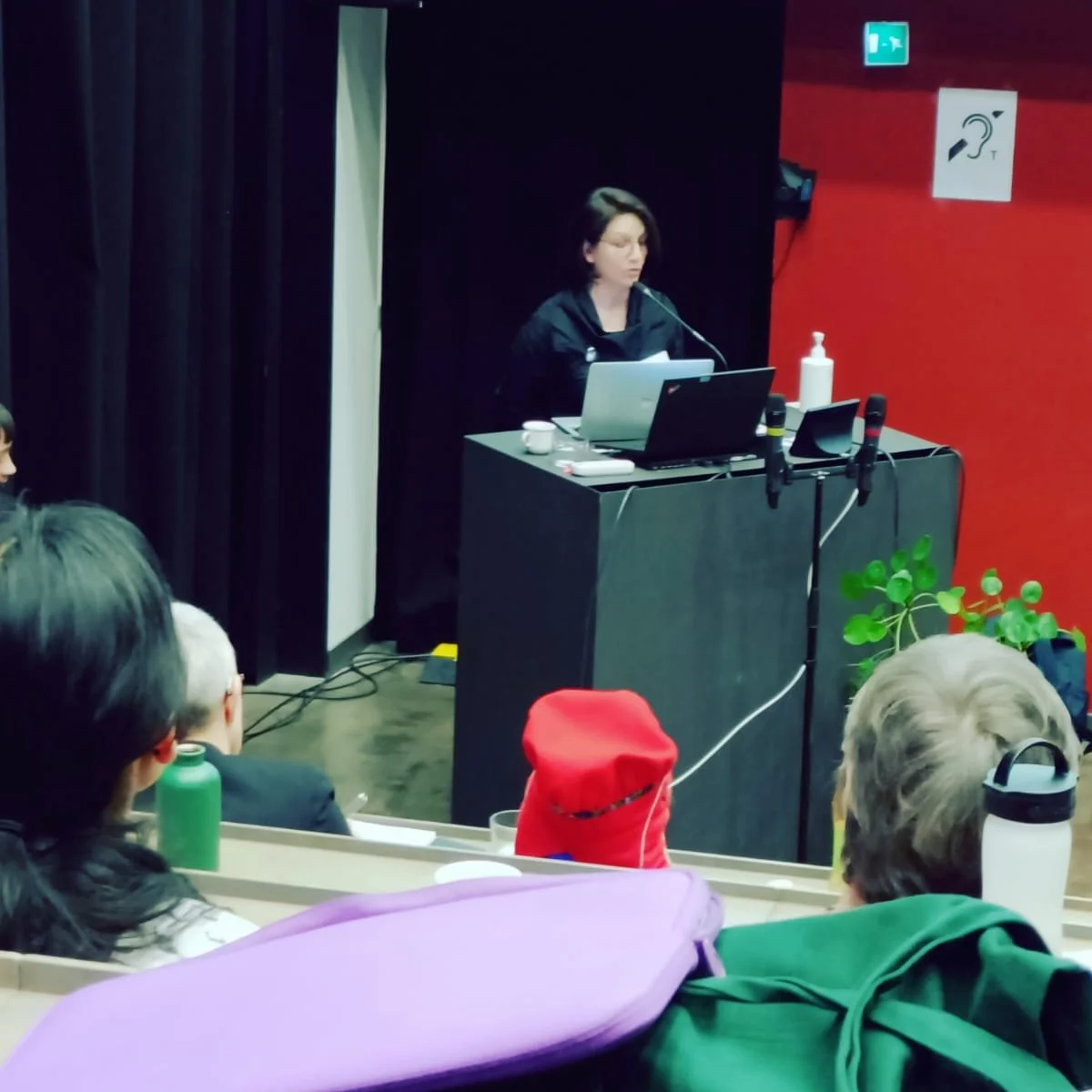
We come together to critically analyze the narratives of “Nordicness” and to ask this question: do we all have the privilege to enjoy the fundamental Nordic values—openness, equality, and sustainability—especially in arts and culture?
I can give a brief answer: no, we are not equal. As long as structural discrimination and racism are operating behind the canonized narrative of equality as a norm for arts and cultural institutions, we cannot be.
Today, with a heavy heart, I would like to discuss a specific Nordic value—sustainability—and the implications of ecological crises in more depth. Environmental issues are not separate from societal issues, which are the themes of this conference, nor from social justice concerns. Structural discrimination and racism, unfair resource distribution, and the rights of Indigenous peoples are central to environmental intersectionality, as this approach advocates justice for all people and for the planet.
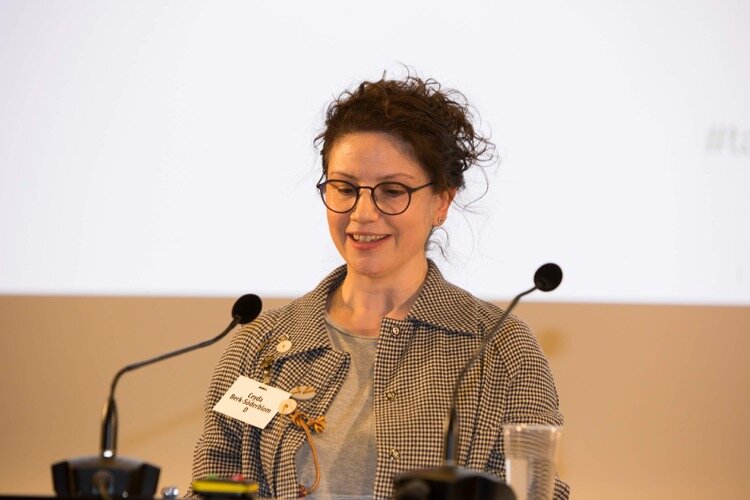
Our founder, Ceyda Berk Söderblom, spoke at Art, Culture and a Diverse Finland seminar co-organised by the Ministry of Education and Culture and the Arts Promotion Centre Finland (Taike).
In her speech, Ceyda highlighted labour market discrimination against foreign-born women in Finland and demanded action:
“Sanna Marin’s Government’s Action plan for Gender Equality 2020–23 report states, and I quote here: “The labour market position of women with a foreign background is particularly weak. Even with good education and language skills, even after 15 years of living in Finland, they do not attain the employment rate of women with the native background.”
Just put this into perspective: 45% of women with foreign backgrounds are unemployed in this country—highly educated, competent women.
I demand action…”